Home / Courses / Engineering

Electric Circuit Theory @ 45 Days

Electric Circuit Theory (II_I)(ECT) Bachelor of Engineering(BE) videos According to syllabus of Institute of Engineering(IoE), Tribhuwan University (TU)

Intermediate
5.0 (8 reviews)
250+ Students Enrolled Nepali Updated Oct 2024

What you'll learn

After Completion of this Course, Students will get basics of Electric Circuit Theory based on syllabus of IoE and will be able to secure good score in IoE exam.
Course Curriculum 11 Sections • 246 Lectures
Free Preview Available: Watch "0. How to Purchase Course from MeroSchool.mp4" before enrolling.
0. How to Purchase Course from MeroSchool.mp4 Free Preview
00:03:30
1. Marks Distribution of Electric Circuit Theory.mp4 Free Preview
00:06:47
1. contents of Network analysis of AC circuit and Dependent Sources.mp4 Free Preview
00:04:49
2. Introduction & Sources of Electrical Network.mp4 Free Preview
00:07:38
3. Nodal analysis (Type I).mp4
00:11:24
4. Nodal Analysis( Type II).mp4
00:04:44
5. Nodal Analysis (Type III).mp4
00:07:26
6. Nodal Analysis (Type IV).mp4
00:04:44
7. Nodal analysis (Numerical Example-1).mp4
00:05:53
8. Nodal analysis (Numerical Example-2).mp4
00:04:36
9. Nodal analysis (Numerical example-3).mp4
00:08:20
10. Mesh Analysis (Type I).mp4
00:12:37
11. Mesh Analysis (Type-II).mp4
00:07:48
12. Mesh analysis (Type III).mp4
00:04:27
13. Mesh analysis (Numerical Example-1).mp4
00:06:50
14. Mesh Analysis (Numerical Example-2).mp4
00:06:37
15. Mesh analysis (Numerical Example-3).mp4
00:05:31
16. Resonance in series RLC circuit.mp4
00:22:27
17. Resonance in series RLC circuit (Numerical example-1).mp4
00:04:22
18. Resonance in series RLC circuit( Numerical example-2).mp4
00:06:27
19. Resonance in parallel RLC circuit.mp4
00:13:30
20. Parallel RLC Circuit(Numerical Example).mp4
00:06:35
1. Introduction of Initial Condition.mp4
00:11:55
2. Initial Condition For Inductor.mp4
00:11:25
3. Initial Condition for Capacitor.mp4
00:13:27
4. Voltage Current Relationship Of Different Circuit Element.mp4
00:05:05
5. Numerical Example-1.mp4
00:09:52
6. Numerical Example-2.mp4
00:18:01
7. Numerical Example-3.mp4
00:15:51
8. Numerical Example-4.mp4
00:05:47
9. Numerical Example-5.mp4
00:13:51
10. Numerical Example-6.mp4
00:09:10
11. Numerical Example-7.mp4
00:08:30
12. Numerical Example-8.mp4
00:16:26
13. Numerical Example-9.mp4
00:12:28
1. contents.mp4
00:06:07
2. Introduction.mp4
00:09:21
3. Solution Techniques of differential equations.mp4
00:11:33
4. R-L series circuit with DC excitation.mp4
00:07:25
5. Response of RL circuit with DC excitation (example-1).mp4
00:08:49
6. Response of RL circuit with Exponential Excitation.mp4
00:14:09
7. RL circuit with Exponential Excitation (example-2).mp4
00:09:53
8. RL circuit with Sinusoidal Excitation(example-3).mp4
00:13:49
9. RC circuit with DC excitation.mp4
00:05:08
10. RC circuit with Exponential Excitation.mp4
00:14:14
11. RC circuit with exponential excitation (example-4).mp4
00:12:49
12. RC circuit with Sinusoidal Excitation.mp4
00:12:41
13. RC circuit with Sinusoidal Excitation(example-5).mp4
00:16:48
14. RLC circuit with dc excitation.mp4
00:20:01
15. RLC circuit (example-6).mp4
00:13:33
16. RLC circuit (example-7).mp4
00:12:19
17. RLC circuit (example-8).mp4
00:21:46
18. RLC circuit (example-9).mp4
00:16:44
19. RLC with sinusoidal excitation (example-10).mp4
00:20:09
20. RLC circuit (example-11).mp4
00:07:01
21. RLC circuit Example-12.mp4
00:09:29
22. RLC circuit Example-13.mp4
00:13:24
23. RLC circuit example-14.mp4
00:22:57
1. Introduction.mp4
00:03:38
2. Some Important Formula.mp4
00:05:13
3. Steps for solving any circuit by Laplace Transform.mp4
00:04:22
4. Partial Fraction Expression.mp4
00:10:49
5. Numerical example-1.mp4
00:09:18
6. Numerical example-2.mp4
00:07:51
7. Numerical example-3.mp4
00:12:41
8. Numerical example-4.mp4
00:07:03
9. RC circuit (Numerical example-5).mp4
00:09:32
10. RLC circuit (Numerical example-6).mp4
00:14:59
11. RLC circuit (Numerical Example-7).mp4
00:14:37
12. RL circuit (Numerical example-8).mp4
00:10:45
13. Numerical example-9.mp4
00:24:15
14. Numerical example-10.mp4
00:09:41
15. Numerical example-11.mp4
00:09:17
16. Numerical example-12.mp4
00:09:36
1. Introduction.mp4
00:06:45
2. Network Function Formula.mp4
00:08:47
3. Transfer impedence and admittance of different circuit.mp4
00:02:20
4. Steps to find transfer function of given circuit and Numerical example-1.mp4
00:08:09
5. Numerical Example-2.mp4
00:12:50
6. Numerical Example-3.mp4
00:14:17
7. Numerical Example-4.mp4
00:12:40
8. Numerical Example-5.mp4
00:25:15
9. Numerical Examle-6.mp4
00:14:41
10. Numerical Example -7.mp4
00:16:59
11. Bode Plot (Introduction).mp4
00:05:53
12. Bode Plot Example-1.mp4
00:40:20
13. Bode plot Example-2.mp4
00:14:08
14. Bode plot Example-3.mp4
00:26:46
15. Bode Plot Example-4.mp4
00:22:42
1. Introduction.mp4
00:06:50
2. Trigonometric Form of fourier series.mp4
00:03:23
3. Numerical Example -1.mp4
00:17:32
4. Symmetry in Fourier Series.mp4
00:10:35
5. Numerical Example-2.mp4
00:14:50
6. Exponential Fourier Series.mp4
00:05:53
7. Numerical Example-3.mp4
00:09:39
8. Fourier Transform.mp4
00:03:55
9. Numerical Example-4.mp4
00:18:29
1. Contents.mp4
00:05:31
2. Introduction.mp4
00:14:50
3. Z-parameters Calculation.mp4
00:07:22
4. Y-parameters calculation.mp4
00:06:17
5. T-parameters calculation.mp4
00:07:36
6. T'-parameters Calculation.mp4
00:06:01
7. h-parameters calculation.mp4
00:05:45
8. g-parameters calculation.mp4
00:07:02
9. Condition for Reciprocity of Two Port Network.mp4
00:25:16
10. Interconnection of Two port Network (Series).mp4
00:12:48
11. Interconnection of Two Port Network (Parallel).mp4
00:12:06
12. Interconnection of Two Port Network (cascade).mp4
00:09:37
13. Relationship between parameters.mp4
00:19:21
14. Numerical Example 1.mp4
00:21:05
15. Numerical Example 2.mp4
00:21:34
16. Numerical example 3.mp4
00:16:39
17. Numerical Example 4.mp4
00:13:43
18. Numerical Example 5.mp4
00:13:50
19. Numerical example 6.mp4
00:17:13
20. Numerical example 7.mp4
00:13:37
1. Network Analysis of AC Circuit and Dependent Sources|1. Introduction to Dependent Source.mp4
00:02:53
1. Network Analysis of AC Circuit and Dependent Sources|2. Q1_Mesh Analysis.mp4
00:12:48
1. Network Analysis of AC Circuit and Dependent Sources|3. Q2_Mesh Analysis.mp4
00:07:34
1. Network Analysis of AC Circuit and Dependent Sources|4. Q3_Mesh Analysis.mp4
00:09:27
1. Network Analysis of AC Circuit and Dependent Sources|5. Q4_Mesh Analysis.mp4
00:06:53
1. Network Analysis of AC Circuit and Dependent Sources|6. Q5_Nodal Analysis.mp4
00:09:45
1. Network Analysis of AC Circuit and Dependent Sources|7. Q6_Nodal Analysis.mp4
00:08:58
1. Network Analysis of AC Circuit and Dependent Sources|8. Q7_Nodal Analysis.mp4
00:10:28
1. Network Analysis of AC Circuit and Dependent Sources|9. Q8_Nodal Analysis.mp4
00:10:25
1. Network Analysis of AC Circuit and Dependent Sources|10. Q9_Nodal Analysis.mp4
00:07:31
1. Network Analysis of AC Circuit and Dependent Sources|11. Q10_Nodal Analysis.mp4
00:07:34
1. Network Analysis of AC Circuit and Dependent Sources|12. Q11_Mesh Analysis.mp4
00:07:07
1. Network Analysis of AC Circuit and Dependent Sources|13. Resonance in RLC series circuit.mp4
00:17:36
1. Network Analysis of AC Circuit and Dependent Sources|14. Resonance curve and bandwidth RLC series circuit.mp4
00:12:59
1. Network Analysis of AC Circuit and Dependent Sources|15. Quality Factor in RLC series circuit.mp4
00:03:09
1. Network Analysis of AC Circuit and Dependent Sources|16. Resonance in RLC Parallel Circuit.mp4
00:23:11
1. Network Analysis of AC Circuit and Dependent Sources|17. Quality Factor in RLC parallel circuit.mp4
00:02:30
1. Network Analysis of AC Circuit and Dependent Sources|18. Formula for resonance numerical.mp4
00:04:10
1. Network Analysis of AC Circuit and Dependent Sources|19. Q1_Resonance Numerical.mp4
00:07:14
1. Network Analysis of AC Circuit and Dependent Sources|20. Q2_Resonance Numerical.mp4
00:05:45
1. Network Analysis of AC Circuit and Dependent Sources|21. Q3_Resonance Numerical.mp4
00:06:13
1. Network Analysis of AC Circuit and Dependent Sources|22. Q4_Resonance Numerical.mp4
00:03:39
1. Network Analysis of AC Circuit and Dependent Sources|23. Q5_Resonance Numerical.mp4
00:03:17
1. Network Analysis of AC Circuit and Dependent Sources|24. Q6_Resonance Numerical.mp4
00:03:17
1. Network Analysis of AC Circuit and Dependent Sources|25. Q7_Resonance Numerical.mp4
00:05:24
1. Network Analysis of AC Circuit and Dependent Sources|26. Q8_Resonance Numerical.mp4
00:03:55
1. Network Analysis of AC Circuit and Dependent Sources|27. Q9_Resonance Numerical.mp4
00:09:12
2. Initial Conditions|1. Introduction and Formula.mp4
00:14:36
2. Initial Conditions|2. How to apply Continuity Equation.mp4
00:04:26
2. Initial Conditions|3. Question 1.mp4
00:13:34
2. Initial Conditions|4. Question 2.mp4
00:19:11
2. Initial Conditions|5. Question 3.mp4
00:13:33
2. Initial Conditions|6. Question 4.mp4
00:11:12
2. Initial Conditions|7. Question 5.mp4
00:12:14
2. Initial Conditions|8. Question 6.mp4
00:15:17
2. Initial Conditions|9. Question 7.mp4
00:16:45
2. Initial Conditions|10. Question 8.mp4
00:11:42
2. Initial Conditions|11. Question 9.mp4
00:14:09
2. Initial Conditions|12. Question 10.mp4
00:09:41
2. Initial Conditions|13. Question 11.mp4
00:24:17
2. Initial Conditions|14. Question 12.mp4
00:12:29
3. Transient analysis by direct solution method or classical method|2. Question 1.mp4
00:12:24
3. Transient analysis by direct solution method or classical method|3. Question 2.mp4
00:14:14
3. Transient analysis by direct solution method or classical method|4. Question 3.mp4
00:20:15
3. Transient analysis by direct solution method or classical method|5. Question 4.mp4
00:15:03
3. Transient analysis by direct solution method or classical method|6. Question 5.mp4
00:16:09
3. Transient analysis by direct solution method or classical method|7. Question 6.mp4
00:11:20
3. Transient analysis by direct solution method or classical method|8. Question 7.mp4
00:08:15
3. Transient analysis by direct solution method or classical method|9. Question 8.mp4
00:25:31
3. Transient analysis by direct solution method or classical method|10. Question 9.mp4
00:28:27
3. Transient analysis by direct solution method or classical method|11. Introduction to second order.mp4
00:13:02
3. Transient analysis by direct solution method or classical method|12. Question 10.mp4
00:20:54
3. Transient analysis by direct solution method or classical method|13. Question 11.mp4
00:32:26
4. Transient Analysis by Laplace Transform Method|1. Introduction to Transient Analysis by Laplace Transform Method.mp4
00:26:40
4. Transient Analysis by Laplace Transform Method|2. Question 1.mp4
00:22:50
4. Transient Analysis by Laplace Transform Method|3. Question 2.mp4
00:14:56
4. Transient Analysis by Laplace Transform Method|4. Question 3.mp4
00:18:50
4. Transient Analysis by Laplace Transform Method|5. Question 4.mp4
00:16:11
4. Transient Analysis by Laplace Transform Method|6. Question 5.mp4
00:15:01
4. Transient Analysis by Laplace Transform Method|7. Question 6.mp4
00:15:26
4. Transient Analysis by Laplace Transform Method|8. Question 7.mp4
00:21:06
5. Frequency Response of Network|1. Introduction to Frequency Response of Network.mp4
00:18:26
5. Frequency Response of Network|2. Transfer function of two port Network.mp4
00:15:13
5. Frequency Response of Network|3. Transfer function of two port Network.mp4
00:11:45
5. Frequency Response of Network|4. Transfer function of two port Network.mp4
00:07:39
5. Frequency Response of Network|5. Transfer function of two port Network.mp4
00:16:44
5. Frequency Response of Network|6. Transfer function of two port Network.mp4
00:15:18
5. Frequency Response of Network|7. Bode Plot Introduction.mp4
00:17:03
5. Frequency Response of Network|8. Bode plot.mp4
00:47:39
5. Frequency Response of Network|9. Bode plot.mp4
00:27:57
5. Frequency Response of Network|10. Bode plot.mp4
00:27:15
6. Fourier Series and Transform|1. Introduction to Fourier Series and Transform.mp4
00:18:21
6. Fourier Series and Transform|2. Question 1.mp4
00:25:40
6. Fourier Series and Transform|3. Question 2.mp4
00:38:28
6. Fourier Series and Transform|4. Question 3.mp4
00:24:55
6. Fourier Series and Transform|5. Question 4.mp4
00:19:57

2073 Chaitra|Question 1 (a).mp4
00:11:52
2073 Chaitra|Question 1(b).mp4
00:07:31
2073 Chaitra|Question 2(a).mp4
00:06:25
2073 Chaitra|Question 2(b).mp4
00:10:27
2073 Chaitra|Question 3(a).mp4
00:07:48
2073 Chaitra|Question 3(b).mp4
00:17:05
2073 Chaitra|Question 4(a).mp4
00:10:11
2073 Chaitra|Question 4(b).mp4
00:22:48
2073 Chaitra|Question 4(c).mp4
00:07:26
2073 Chaitra|Question 5(a).mp4
00:08:54
2073 Chaitra|Question 5(b).mp4
00:17:00
2074 Ashwin|Question 1(a).mp4
00:11:13
2074 Ashwin|Question 1(b).mp4
00:07:49
2074 Ashwin|Question 2(a).mp4
00:05:46
2074 Ashwin|Question 2(b).mp4
00:18:20
2074 Ashwin|Question 3(a).mp4
00:07:00
2074 Ashwin|Question 3(b).mp4
00:30:53
2074 Ashwin|Question 4(a).mp4
00:21:59
2074 Ashwin|Question 4(b).mp4
00:22:00
2074 Ashwin|Question 4(c).mp4
00:06:41
2074 Ashwin|Question 5(a).mp4
00:16:00
2074 Ashwin|Question 5(b).mp4
00:10:06
2074 Chaitra|Question 1(a).mp4
00:10:09
2074 Chaitra|Question 1(b).mp4
00:14:31
2074 Chaitra|Question 2(a).mp4
00:11:37
2074 Chaitra|Question 2(b).mp4
00:20:25
2074 Chaitra|Question 3(a).mp4
00:16:14
2074 Chaitra|Question 3(b).mp4
00:12:23
2074 Chaitra|Question 4(a).mp4
00:14:44
2074 Chaitra|Question 4(b).mp4
00:24:41
2074 Chaitra|Question 5 (a).mp4
00:22:17
2074 Chaitra|Question no. 5(b).mp4
00:10:48
2075 Ashwin|Question 1(a).mp4
00:11:02
2075 Ashwin|Question 1(b).mp4
00:11:49
2075 Ashwin|Question 2(a).mp4
00:13:10
2075 Ashwin|Question 2(b).mp4
00:11:40
2075 Ashwin|Question 3(a).mp4
00:06:15
2075 Ashwin|Question 3(b).mp4
00:09:59
2075 Ashwin|Question 4(a).mp4
00:09:22
2075 Ashwin|Question 4(b).mp4
00:23:46
2075 Ashwin|Question 5(a).mp4
00:08:53
2075 Ashwin|Question 5(b).mp4
00:09:24
2076 Chaitra|Question 1(a).mp4
00:07:37
2076 Chaitra|Question 1(b).mp4
00:09:09
2076 Chaitra|Question 2(a).mp4
00:08:42
2076 Chaitra|Question 2(b).mp4
00:15:41
2076 Chaitra|Question 3(a).mp4
00:07:02
2076 Chaitra|Question 3(b).mp4
00:11:41
2076 Chaitra|Question 4(a).mp4
00:12:36
2076 Chaitra|Question 4(b).mp4
00:12:24
2076 Chaitra|Question 5(a).mp4
00:11:10
2076 Chaitra|Question 5(b).mp4
00:26:10

Requirements

  • Students are required to have knowledge of Eelctric Circuit Theory and Basic Electric Engineering based on syllabus of IoE

Course Description

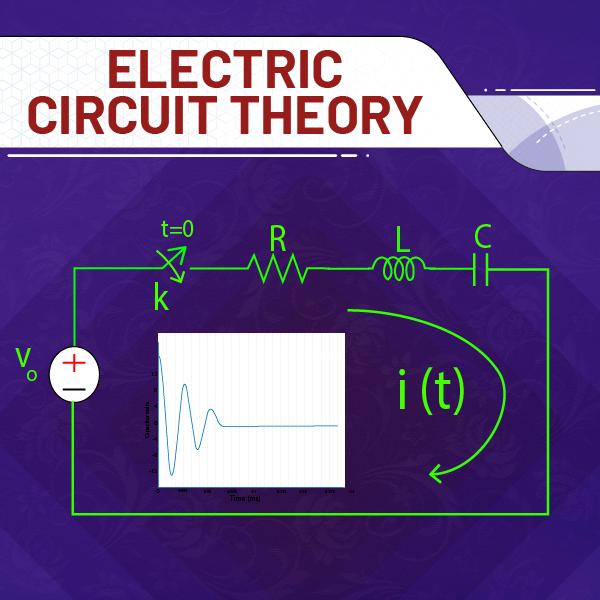
The videos herein are strictly based on syllabus of Institute of Engineering Tribhuwan University, Nepal promoting "e-Learning in Nepal" and are made with intention to provide guidance to the "Bachelor in Engineering(BE) appearing students", for securing good results. The course tries to cover all the basics of Network Analysis of AC Circuit(Dependent Source, Mesh Analysis, Nodal Analysis), Resonance in RLC Series Circuit along with Resonance Curve and Bandwidth, Quality Factor, and Resonance in RLC Parallel Circuit with Quality Factor. This course also includes Initial Condition, Transient Analysis in RLC Circuit(Direct Solution & Classical Method), Transient Analysis (Laplace Method), Two Port Network and Fourier Series & Transform with most frequently asked questions in final exam of BE along with fundamental theories, numerical solutions and list of formula. We strongly believe that, viewers will be benefited from these videos and the thirst of curiosity of viewers will be quenched! Feedbacks and suggestion to improve are always welcome and highly appreciated!

Instructor

M
Mero School Academic Team

Senior Academic Instructor • Mero School E-Learning